AI can take on the repetitive work that multiplies as you grow: first replies, follow-ups, data entry, routine customer questions and product content. And it doesn’t have to break anything. Built properly, it plugs into the tools you already use, and your team keeps every decision that matters.
[ Key takeaways ]
Growing businesses rarely crack in visible places; they crack in the handoffs between forms, inboxes, CRMs and launches that nobody owns.
AI takes on the repetitive work that multiplies with growth: first replies, follow-ups, data entry, routine questions and product content.
Built properly, it plugs into the CRM, store and tools you already use instead of asking your team to move to a new one.
Your team keeps every decision that matters: qualification rules, sensitive conversations, brand, data access and sign-off.
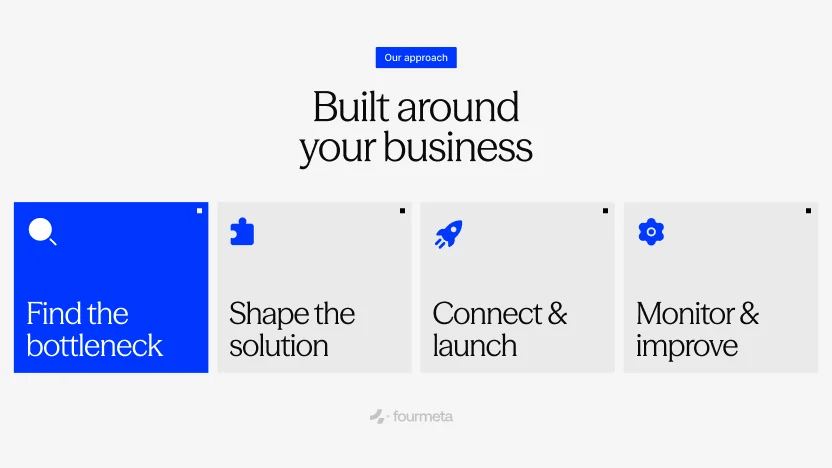
Every project follows four steps: find the bottleneck, learn the business, connect to existing systems, keep improving after launch.
Have a project in mind? Talk to Ruben, our Chief Sales Officer.
AI can take on the repetitive work that multiplies as you grow: first replies, follow-ups, data entry, routine customer questions and product content. And it doesn’t have to break anything. Built properly, it plugs into the tools you already use, and your team keeps every decision that matters.
Growth looks great on the dashboard. Inside the business, it feels different: the same team and the same tools, carrying twice the work.
AI looks like the obvious answer. Which raises the two questions every leader asks before touching it: what can it actually take off our plate, and will it break the way we already work?
The model is the easy part. The hard part is fitting it into a business that’s already running, and that’s what we do at Fourmeta.
Where do growing businesses crack, and how do we fix it?
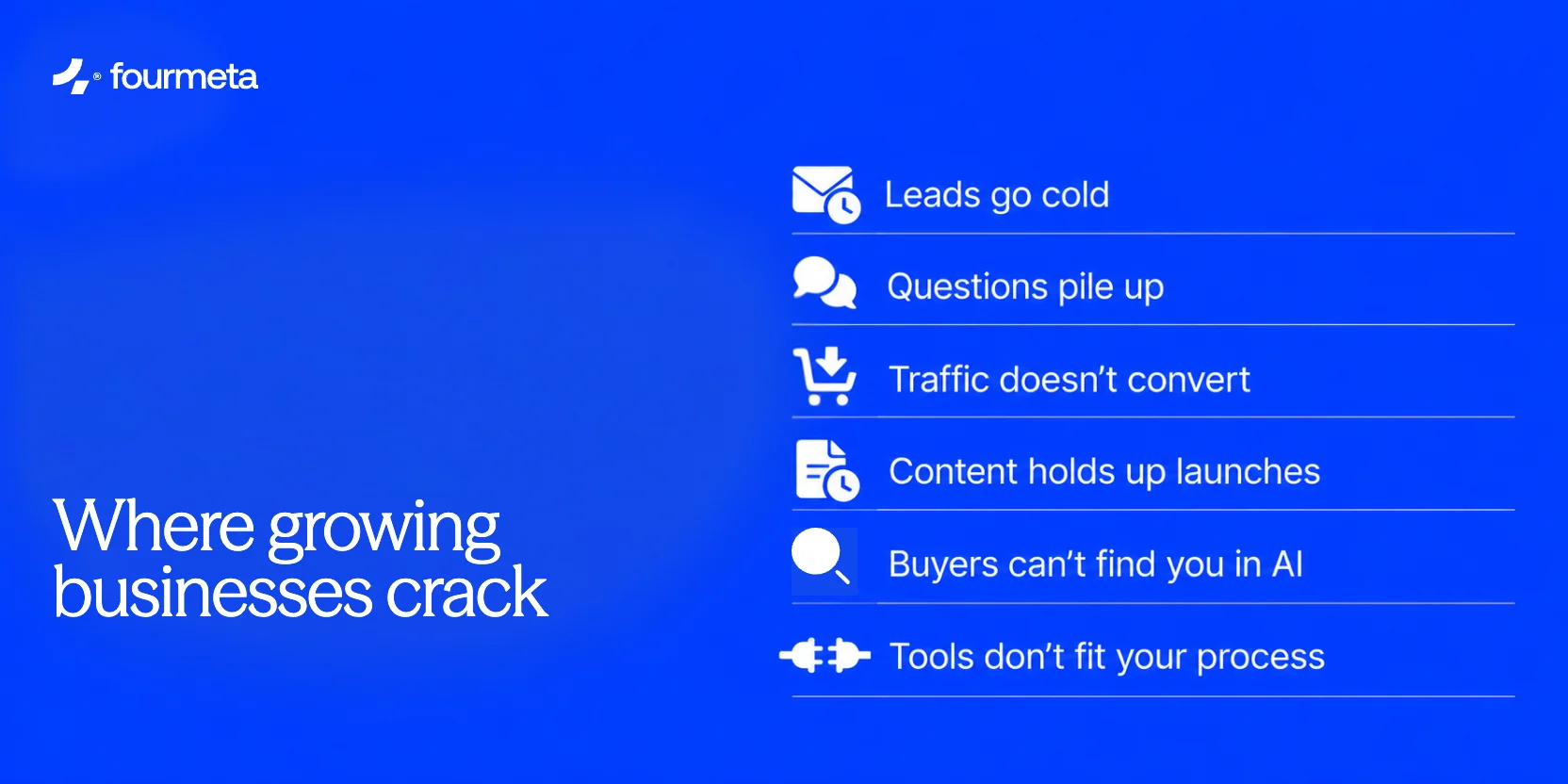
Rarely in the big, visible places. The cracks show up in the handoffs: between a web form and a salesperson, an inbox and a CRM, a product launch and the content it needs.
They last because nobody owns them. Sales owns the leads, operations owns the CRM, marketing owns the launch. The delay between them belongs to no one, so it never appears as a line in the budget. It shows up as slower growth.
These are the gaps we’re asked to close most often. If yours isn’t on the list, that’s usually a conversation worth having.
1. Leads and follow-ups slip as volume grows
Friday’s enquiry hears back on Monday. The weekly report takes a day to assemble. The senior people you need on strategy and key clients spend hours every week chasing, copying and checking.
How we fix it: AI agents that reply straight away, ask your qualifying questions, book the call and log a summary in your CRM, plus automations that move records between your tools and put reports together, with your team approving what goes out.
Before we build anything: we audit the process and give you an ROI estimate, so you see what the automation will save before a line of code is written.
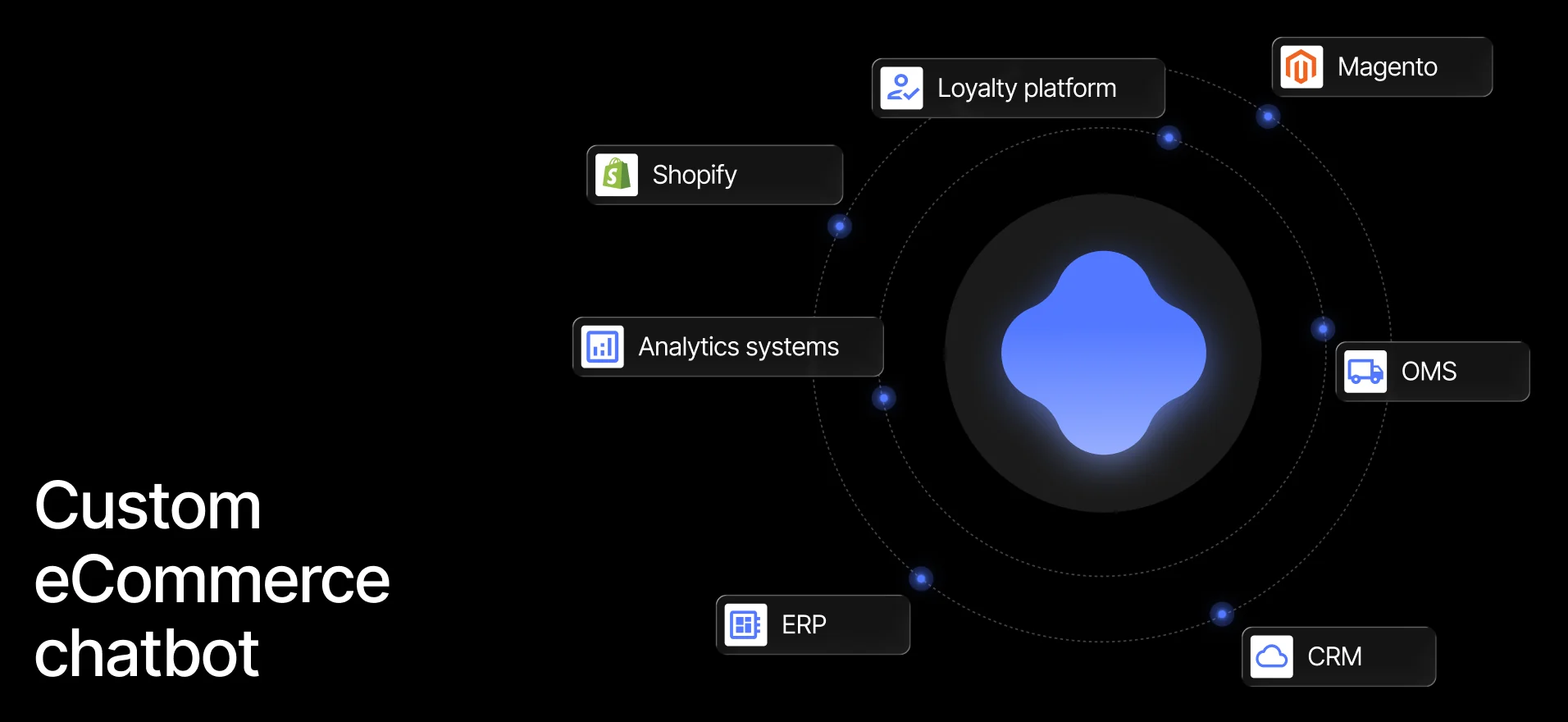
Plugs into: your CRM, email, calendar and existing tools.
Stays with your team: the qualification rules, which leads get priority, every sales conversation and sign-off on what goes out.
2. The same questions, from customers and colleagues
Every new customer adds to the support queue, and the same twenty questions take up most of it. Inside the team, new people ask the same three colleagues where everything lives.
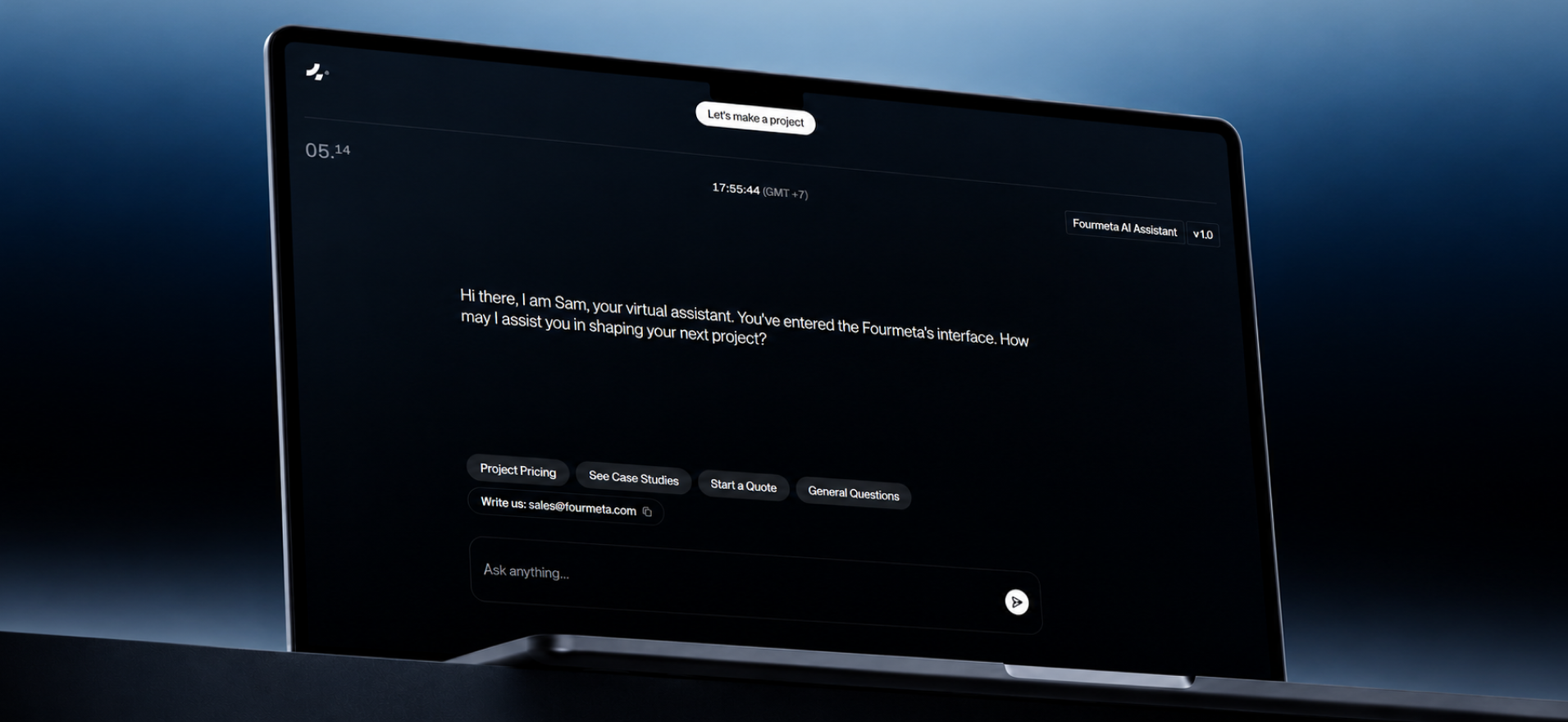
How we fix it: an assistant on your site, in your app or on WhatsApp that answers customers from your own docs, policies and product data, in your tone, day or night. The same approach works inside the business: an internal assistant built on your knowledge base, so your team finds answers without interrupting each other. Both hand over to a person when it matters.
After launch: we review real conversations and tune the assistant every month, so it gets better with use instead of going stale.
Plugs into: your website, app, WhatsApp, CRM and knowledge base.
Stays with your team: complaints, key accounts, anything that needs care, and what the assistant is allowed to see.
Your catalogue grew faster than your navigation. Search returns nothing for the way customers actually describe what they want, and shoppers who hesitate simply leave.
How we fix it: we find where shoppers hesitate and drop off, then add smart search and recommendations that understand intent, not just keywords, and A/B test every change against your current store.
Plugs into: Shopify or your headless store, your catalogue and analytics.
Stays with your team: promotions, merchandising, offers and what’s on brand.
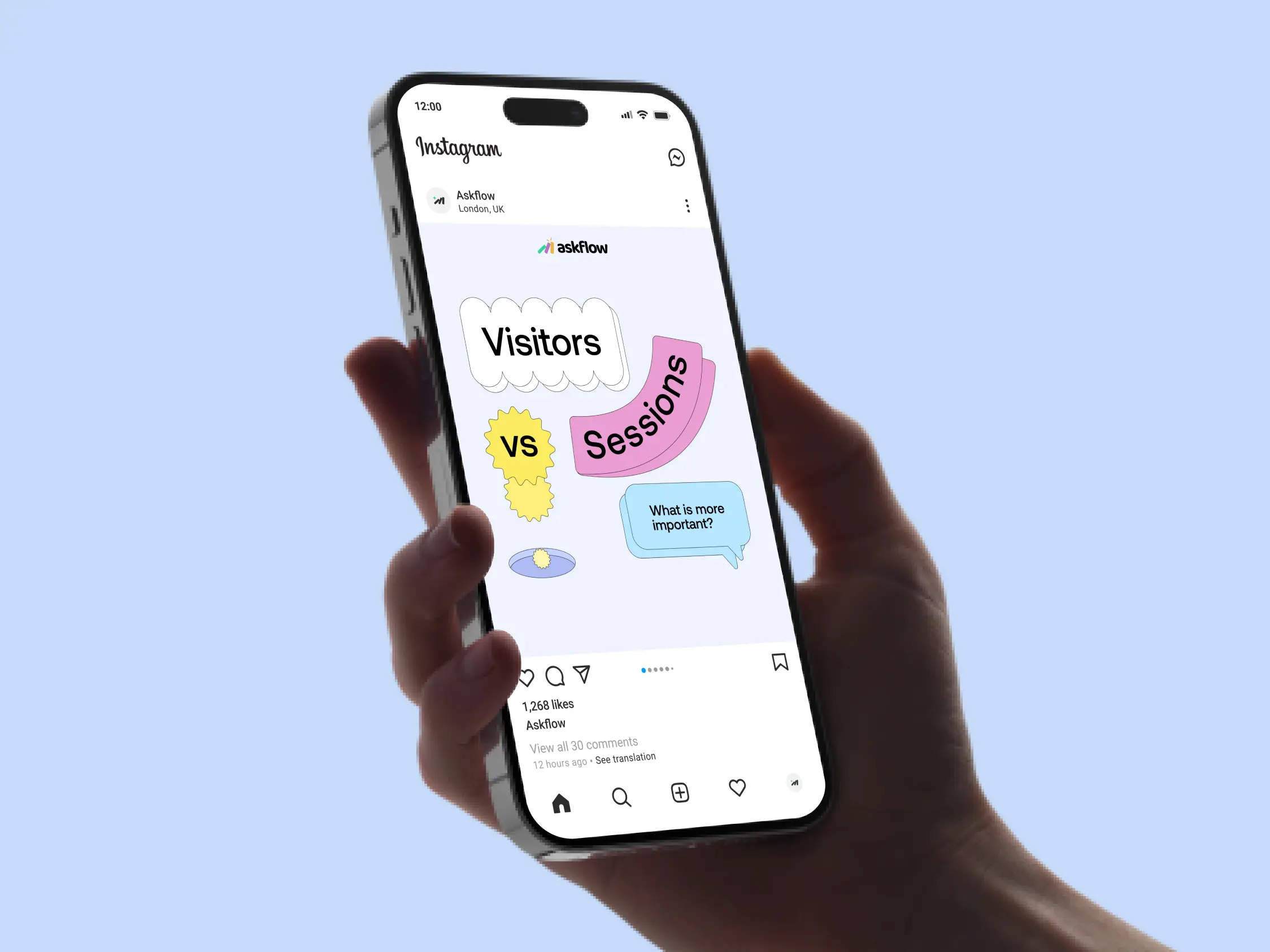
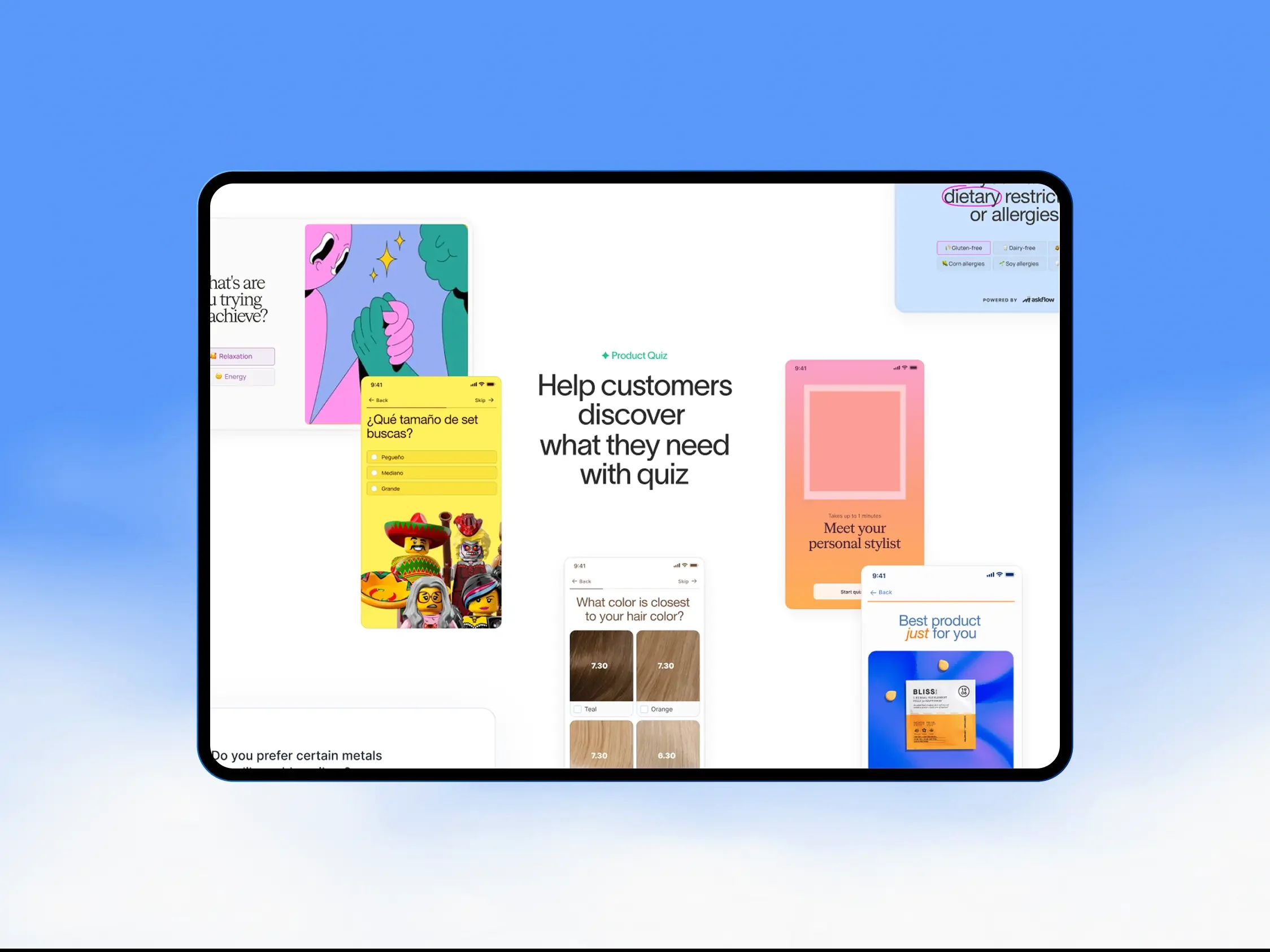
We’ve built this: we designed and built Askflow, a platform that puts an AI sales agent on Shopify stores to recommend products, upsell and recover shoppers who are about to leave.
Forty new products land on Monday. Each needs a description, product shots and a lifestyle visual by Friday, and the studio is booked for weeks.
How we fix it: AI product photos and product content generated on your brand’s terms from the shots you already have, inside a content workflow where your team edits and approves instead of starting from scratch.
Plugs into: your catalogue, Shopify and existing content process.
Stays with your team: the style, the selection and the final say.
We’ve built this:Fourmula.ai, a platform where fashion brands upload a product, AI generates visuals, and the team reviews and exports them.
More buyers ask ChatGPT or Perplexity for a shortlist before they ever visit a website. If AI doesn’t know you, or describes you wrongly, you’re out of the conversation before it starts.
How we fix it: AEO and GEO (answer and generative engine optimisation). In plain words: making sure AI assistants find your brand and describe it correctly. We audit how ChatGPT, Perplexity and Google’s AI talk about you, fix your content, structured data and the sources they trust, and track citations month to month.
Plugs into: your website, content and structured data.
Stays with your team: how your brand should be described.
You’re paying for three tools that each do most of what you need, and none of them talks to the others. The way you work is part of your advantage, and you don’t want to bend it to fit someone else’s software.
How we fix it: a custom AI feature or product around your data and workflow, prototyped on your real data in weeks, then connected to your systems and launched. You own it.
Plugs into: whatever your business already runs on.
Stays with your team: the product, the data and the roadmap.
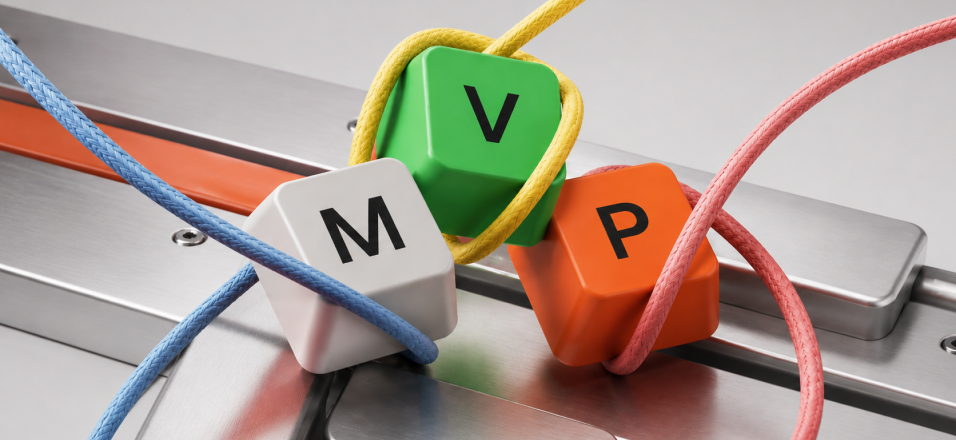
We’ve built this: both Askflow and Fourmula.ai were scoped around one core loop and shipped as an MVP first, then grown from there.
Why AI tools so often end up as one more thing to manage
There’s no shortage of AI tools. There’s a shortage of ones that stick.
Chances are you’ve been through at least one. It promised to save hours. What it actually brought was a new login, a new dashboard and a new way of doing what your team already knew how to do. Someone spent weeks setting it up. Everyone was asked to change their habits. A quarter later, the subscription is still running and the team is back in their spreadsheets.
That’s the real fear behind “will it break the way we work?” Not that AI fails, but that it only works on its own terms. Off-the-shelf AI is built for the average business, so it asks yours to adapt: move your data into its format, rebuild your process around its workflow, retrain your team on its interface. The more a tool demands, the less of it survives contact with a real business.
How we make AI work on your terms
Fitting AI to a business is the actual work, and it’s ours. Every solution ends up looking different, because every business is. The way we get there doesn’t change: the same four steps, every time.
We start from your problem, not a tool’s feature list. First comes a map of where work piles up, what it costs you and which numbers we’ll measure success against. You get: a process audit and an ROI estimate before anything is built.
We learn your business. Your docs, policies, products and tone become the foundation, the design accounts for your real exceptions, and together we agree the points where your team signs off. You get: a workflow design or a prototype tested on your own data.
We connect it to what you already run. Instead of a migration, the solution plugs into your CRM, store, inbox and existing systems, and works with your information where it already lives. You get: a live solution inside your current systems, with handover documentation.
We stay with it after launch. Monitoring and tuning carry on: assistants are refined on real conversations every month, store changes go through A/B tests. You get: ongoing improvements, not a subscription nobody uses.
Know where it hurts? Tell us which part of your operations is struggling to keep up, and we’ll show you what’s worth fixing first. → Automate a workflow
Grow without the growing pains
Growth shouldn’t mean slower replies, lost data and your best people buried in operations. Pick the bottleneck that hurts most, and we’ll fit AI around it without touching what already works.
It depends on how many steps and systems the process touches. One workflow connected to tools you already use is a far smaller project than a custom AI product. That’s why we start with an audit and an ROI estimate: you see what the bottleneck costs you today before deciding what to spend on fixing it.
How long does it take?
A first version of one well-scoped workflow can be tested on your real data in weeks, not months. Connecting more systems and adding approval steps takes longer, so we start with the bottleneck that matters most and build from there.
Will it work with the tools we already use?
In most cases, yes. We connect to CRMs, email, calendars, Shopify, WhatsApp and the other tools your business runs on. If something can’t be connected, the audit shows it before you commit.
What if the AI gets something wrong with a client?
The automation handles what it’s confident about, flags what it isn’t and hands anything sensitive to your team with the full context. Important actions wait for approval, and we monitor what it does so problems are caught early.
Is our data safe?
The automation only gets access to the data it needs for the job. We agree access, storage and retention rules with you at the design stage, and we can sign an NDA before the first conversation.
Alex Rodukov is the CEO and founder of Fourmeta, a London-based AI-native product agency. He works directly with founders on AI products, MVPs and security audits of AI-built apps, from the first scope to launch and beyond.
Subscribe for insights, service updates, and a closer look at the world of Fourmeta®
Discover firsthand experiences from our clients about their journey with Fourmeta®Agency—insights into our collaboration, expertise, and results delivered.
Thank you for subscribe!
Oops! Something went wrong while submitting the form.