


.avif)


Recognitions
projects
Services












How MVP development services fast-track product-market fit
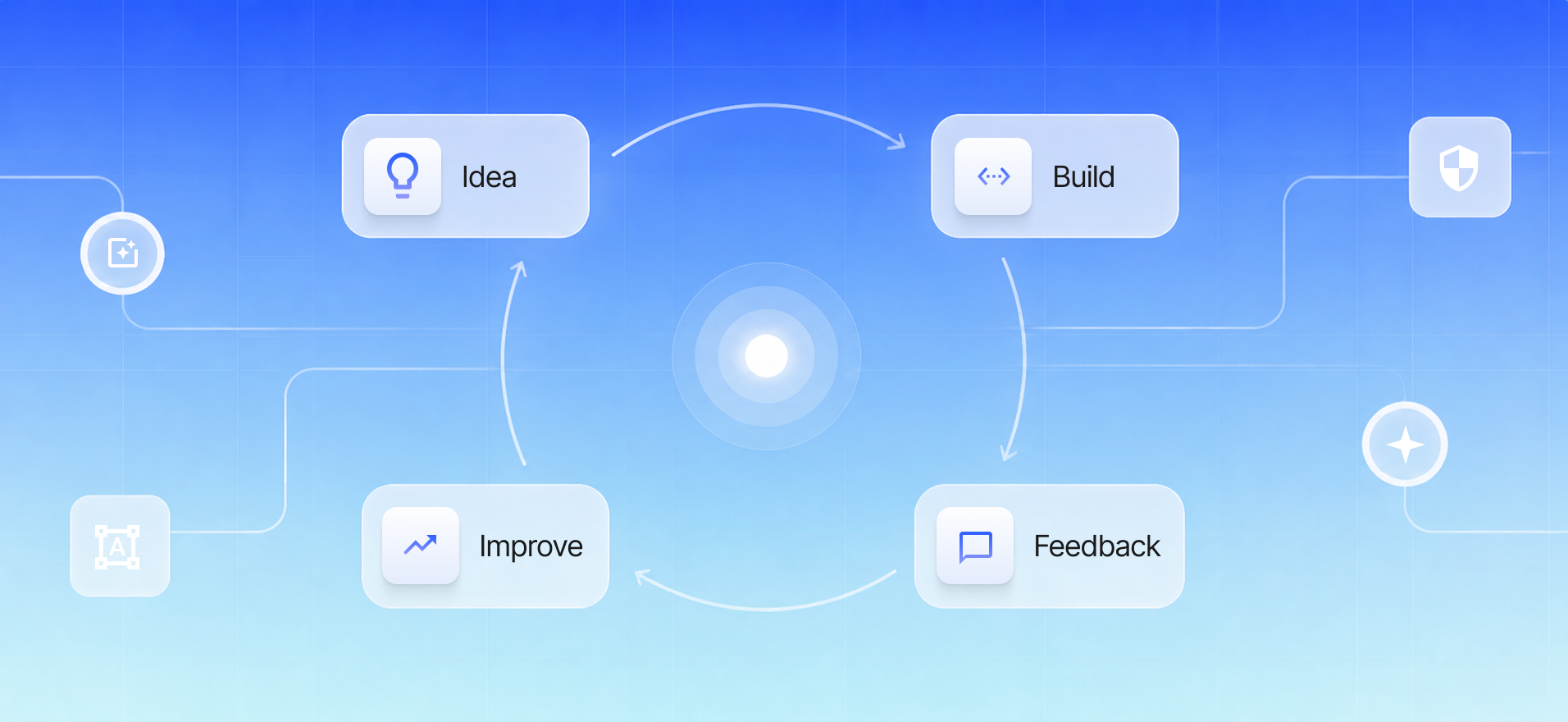

A founder's guide to validating faster, spending smarter, and building what users actually want.
Most startup ideas don't die because the founders lacked passion or funding. They die because the team built something nobody needed and found out six months and $200K too late.
If you've ever looked at a finished product and realized the market just isn't there, you already understand why product-market fit (PMF) is the only metric that truly matters in the early stages. Everything else, like polish, features, branding, is secondary noise until you have it.
This is where professional MVP development services change the game. Not as a shortcut, but as a fundamentally smarter way to move from hypothesis to validated reality. Let's break down exactly how.
What is an MVP, really? (and what it isn't)
An MVP, a Minimum Viable Product, is not a rough draft of your product. It's not a buggy prototype you're embarrassed to show people. It's the leanest version of your product that delivers real value to real users and, crucially, generates real feedback.
The word 'minimum' is often misread as 'low quality.' It's not. It means minimum scope, the smallest surface area that lets you test your core assumption. You're not building less; you're building precisely. Every feature in an MVP should answer a question your business needs answered before it commits further resources.
Founders who understand this distinction ship faster, waste less, and pivot with confidence rather than desperation.
The product-market fit problem every startup faces
CB Insights regularly cites 'no market need' as the number one reason startups fail is consistently accounting for around 35% of post-mortems. That's not a development failure. That's a validation failure.
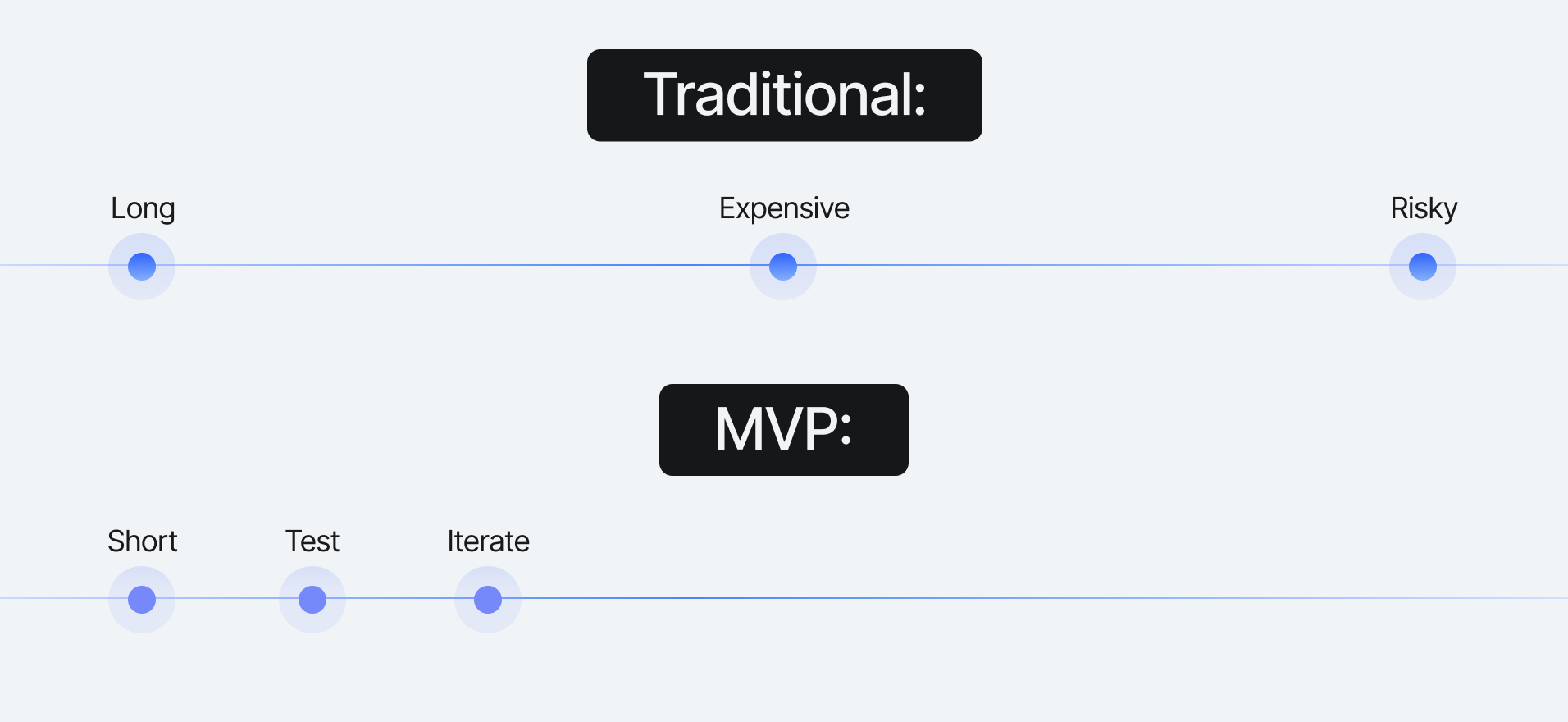
The traditional approach to building a product looks like this: spend months in development, launch with a full feature set, and then discover whether people actually want it. The feedback loop is enormous, the cost is high, and by the time you learn something useful, you've already burned your runway on the wrong assumptions.
MVP development for startups exists to collapse that loop. Instead of a 9-month development cycle before any real-world signal, you're looking at 8–16 weeks to something testable. That's the gap between a startup that pivots smartly and one that runs out of money waiting for clarity.
How MVP development services accelerate the path to PMF
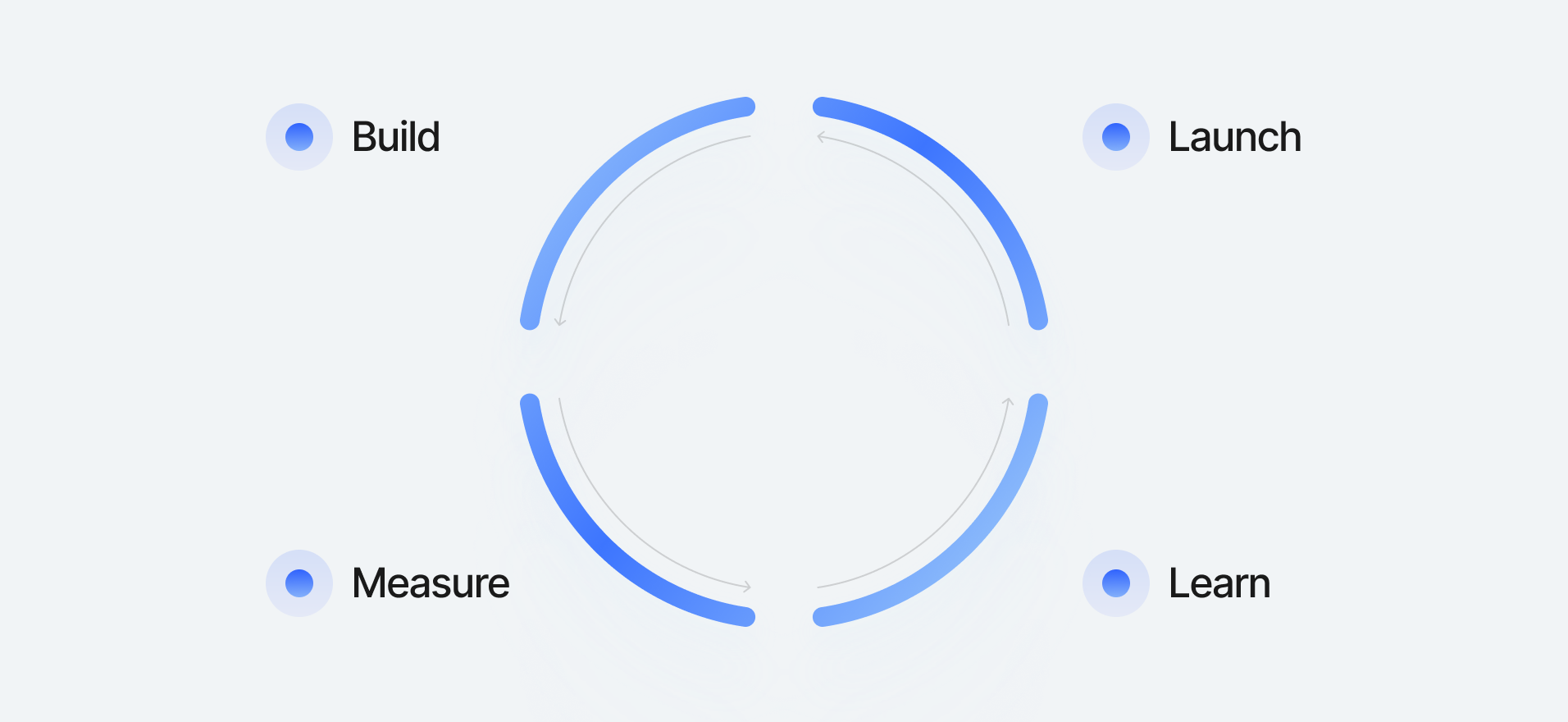
1. Structured idea validation before a single line of code
The best MVP development service providers don't just build, they start by stress-testing your assumptions. That means user research, competitive landscape analysis, and defining the one core problem your product solves.
This discovery phase is often what founders skip when building in-house. They're too close to the idea. An external MVP software development services team brings fresh eyes and a structured framework to identify whether the pain point you're solving is real, frequent, and worth paying to fix.
The output isn't just clarity, it's a prioritized feature roadmap where every item on the list is tied directly to a hypothesis you need to validate.
2. Feature prioritization that protects your budget
Studies consistently show that roughly 80% of features in the average software product go unused. That's an enormous amount of engineering time, design effort, and money spent building things users ignore.
When you work with a focused MVP development service, feature selection becomes a strategic exercise, not a wish list. Frameworks like MoSCoW (Must-have, Should-have, Could-have, Won't-have) and Kano Model analysis help distinguish what users need from what sounds nice on a pitch deck.
The result: you launch with a leaner product, faster. And every feature that ships is tied to something you're trying to learn, not something someone on your team thought was cool.
3. Faster time to market means faster learning
Time is the one resource founders can't recover. Professional MVP development services for startups typically compress the build cycle to 8–16 weeks. Compare that to internal teams stretched across multiple priorities, or the 6–12 month timelines typical of full-scale development, and the difference is significant.
Launching earlier doesn't mean launching carelessly. It means entering the market while your assumptions are still testable before competitors have locked in their position, before investors need traction evidence, and before you've spent your entire runway on an unvalidated hypothesis.
First-mover advantage matters less than first-learner advantage. The startup that finds out what works first is the one that wins.
4. Real user feedback as the foundation for PMF
Here's the thing about product-market fit: you can't think your way to it. You have to build your way to it, and then listen.
When an MVP goes live with real users, every interaction tells you something. What features do they use first? Where do they drop off? What do they try to do that doesn't exist yet? What do they ignore entirely?
A professional MVP development for startups engagement builds this feedback infrastructure from day one: analytics, user behavior tracking, feedback loops. You're not launching into the void; you're launching into a structured experiment with defined success metrics.
This data becomes your north star for the next iteration. You're no longer debating features in a boardroom. You're making decisions based on what actual users tell you with their behavior.
5. Investor readiness comes as a byproduct
Here's a secondary benefit that founders often underestimate: a live MVP with real usage data is a fundamentally different conversation with investors than a pitch deck with projections.
Early-stage investors are betting on the ability of a team to learn and adapt quickly. Showing up with an MVP, initial user data, and a clear articulation of what you've learned and what you're testing next, demonstrates exactly that capability.
Startups that have gone through proper MVP development services have used that foundation to raise seed rounds with far more leverage. The product proves the concept; the data proves the market response.
What to look for in an MVP development partner
Not all MVP development companies are equal. Here's what matters when you're choosing a partner for this stage:
- Discovery-first approach. If a team is ready to start coding on day one, walk away. The best partners begin with research and validation before touching the tech stack.
- Lean feature philosophy. Your partner should push back on scope creep. If they say yes to everything, they're not protecting your runway, they're padding their invoice.
- Scalable architecture. The MVP is the foundation. It needs to be built so that the next version doesn't require a rewrite. Ask about their approach to technical debt from the start.
- Transparent feedback mechanisms. Post-launch, you need analytics and user feedback infrastructure built in. This isn't optional, it's the entire point.
- Startup-native experience. Building enterprise software and building an early-stage startup MVP require completely different mindsets. Find a team that knows the difference.
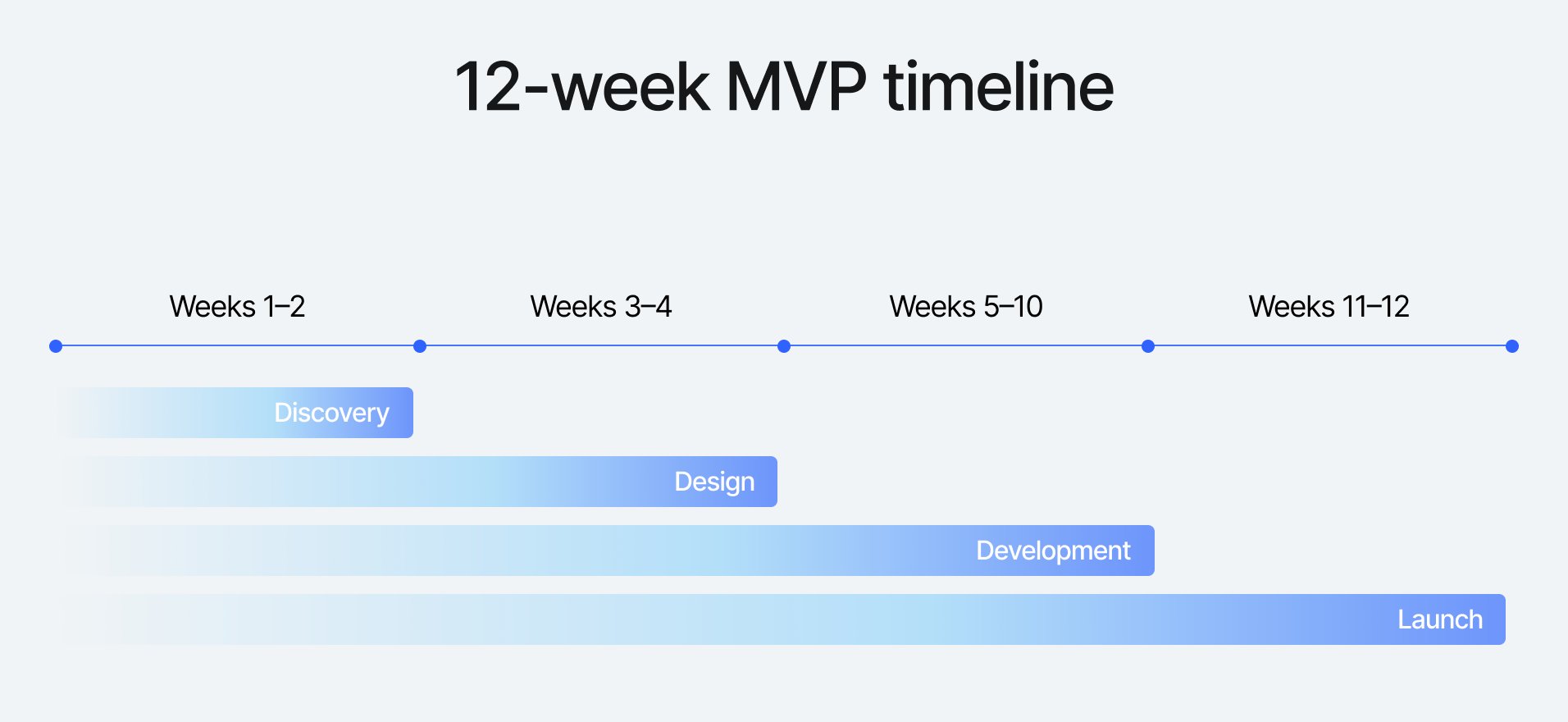
The MVP timeline: what 12 weeks looks like in practice
Here's a realistic breakdown of a well-run MVP development engagement:
- Weeks 1–2 discovery. User interviews, market research, competitive analysis, and problem definition. Output: a validated problem statement and a prioritized feature list.
- Weeks 3–4 design & prototyping. UX flows, wireframes, interactive prototype. User testing on the prototype before a single line of production code is written.
- Weeks 5–10 development. Agile sprints, weekly demos, and continuous QA. Focus is ruthlessly on the core use case.
- Weeks 11–12 launch & feedback infrastructure. Deployment, analytics setup, onboarding flow, and initial user acquisition. You ship with measurement built in.
At week 12, you don't have a finished product. You have something far more valuable: a testable product and a feedback engine. That's the real deliverable of MVP software development services done right.
Common mistakes founders make with MVPs
Even with the right partner, founders can undermine their own MVP process. Watch for these:
- Scope creep. Every 'just one more feature' delay costs you weeks and shifts your focus from learning to building. Protect the scope ruthlessly.
- Building for investors, not users. An MVP designed to impress a pitch room is different from one designed to generate learning. Optimize for the latter.
- Ignoring the data. Some founders launch, see that engagement is low, and immediately add more features. Before adding anything, understand why engagement is low. The answer is usually in the existing data.
- Skipping the discovery phase. The fastest way to waste eight weeks of development is to build the wrong thing. Spend the first two weeks being ruthlessly honest about what you're actually testing.
Why Fourmeta for your MVP development?
We've covered the framework. Now let's be direct about how Fourmeta applies it.
Fourmeta is a London-based award-winning MVP development company that works exclusively with startups and digital product teams. In over 7 years and 300+ projects, we've built one conviction: most MVP agencies build code. We build products and there's a meaningful difference.
Code is the output. A product is the thing users trust, investors fund, and markets respond to. Getting there requires design, engineering, AI capability, and brand thinking working in sync. That's the gap we close.
What Fourmeta's MVP development services include
Our MVP development for startups covers the full stack of what a product needs to succeed at launch:
- Design + development in one team. UX/UI design, wireframing, prototyping, and full-stack development (web, mobile, SaaS) are handled under one roof.
- AI-native by default. We don't bolt on AI as an afterthought. LLM-powered features, recommendation engines, intelligent automation, if AI can make your product sharper, we build it in from the start.
- Brand-ready from launch. Your MVP is often a first impression for investors and early adopters. We deliver complete visual identity alongside the product so it looks credible before it's proven.
- Built to scale. The architecture we use is designed to grow. What we ship in week 12 isn't a throwaway prototype, it's the foundation of your v2, v3, and Series A pitch.
The Fourmeta MVP process: idea to live product in 12 weeks
Our process maps to the framework we outlined earlier, but here's how it runs in practice:
- Discovery (Weeks 1–2). We run a focused discovery phase in every engagement, no exceptions. Users need mapping, feature scoping, assumption validation. This is where founders save the most time and money.
- Design (Weeks 2–4). Wireframes, interactive prototypes, and polished UI. We test designs with real users before development begins, so we're building what works.
- Development (Weeks 4–10). Agile sprints with weekly demos. Full-stack build across the tech stack that fits your product: React, Next.js, Node.js, Django, React Native, and more. Infrastructure on AWS or Google Cloud.
- Launch & iterate (Weeks 10–12+). Deployment, analytics setup, user onboarding, and the feedback infrastructure that makes your next decisions data-driven. Most of our clients continue with us post-launch, iterating toward their next funding milestone.
Proof: what we've shipped
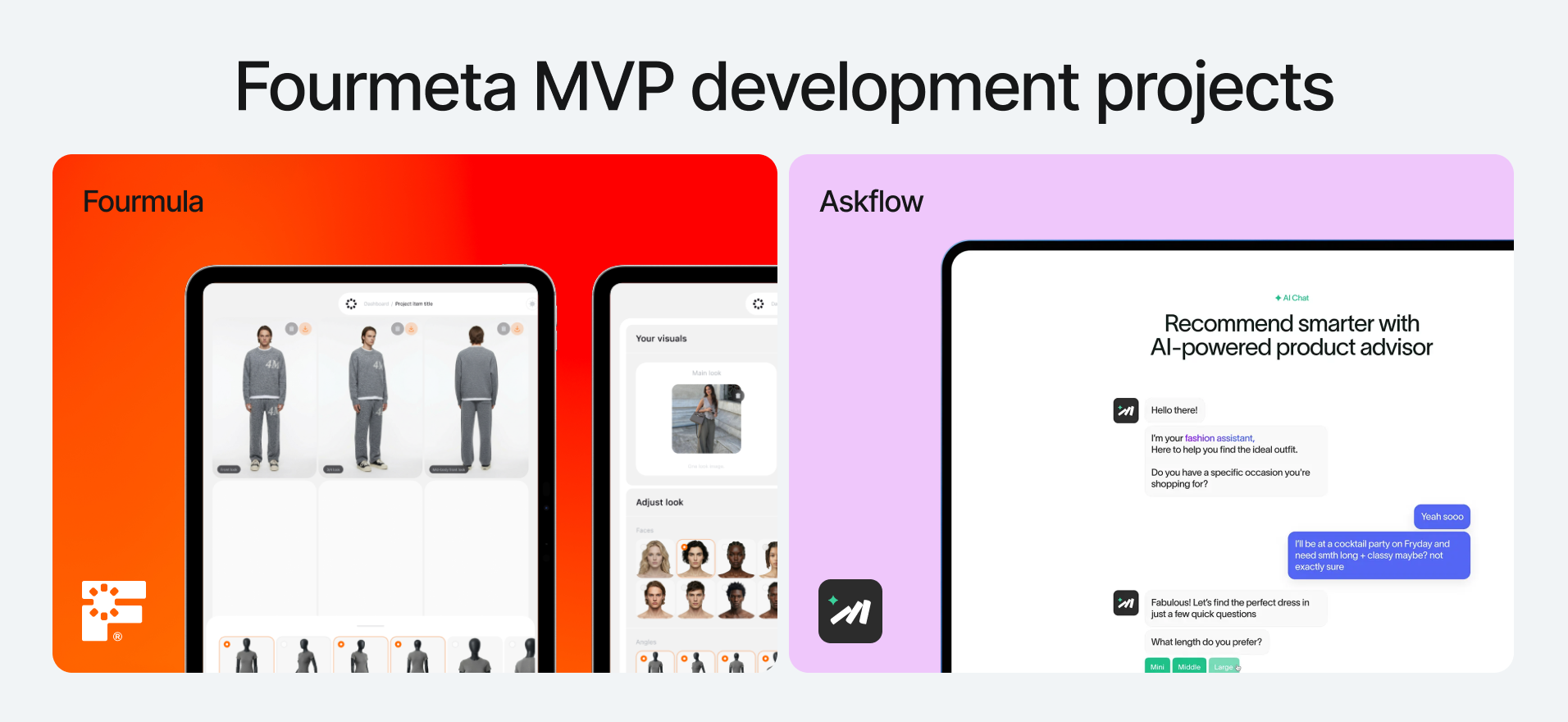
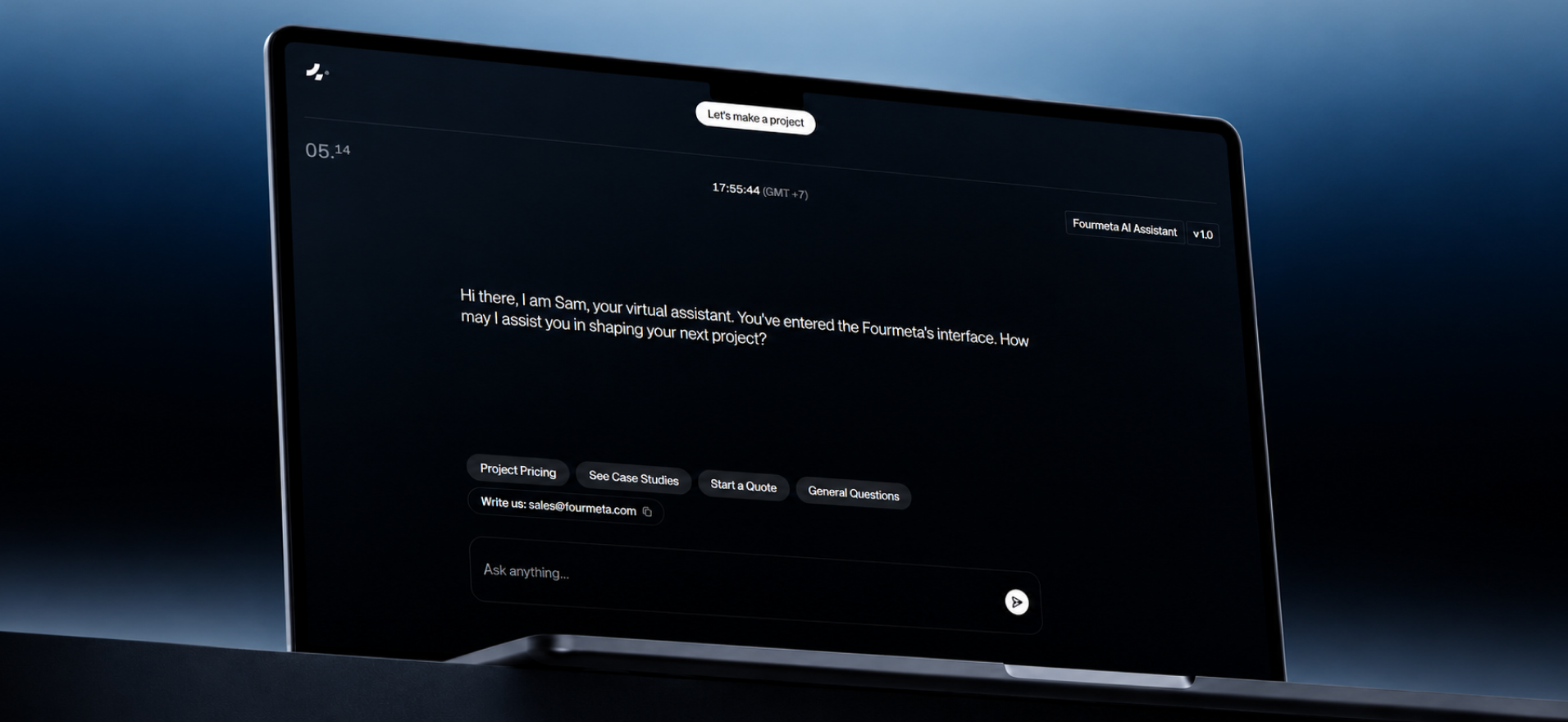
Askflow, an AI quiz and chatbot platform, we designed and built from scratch, including brand identity and AI development. Result: 800+ active brands onboarded and 20% month-over-month growth in paying customers.
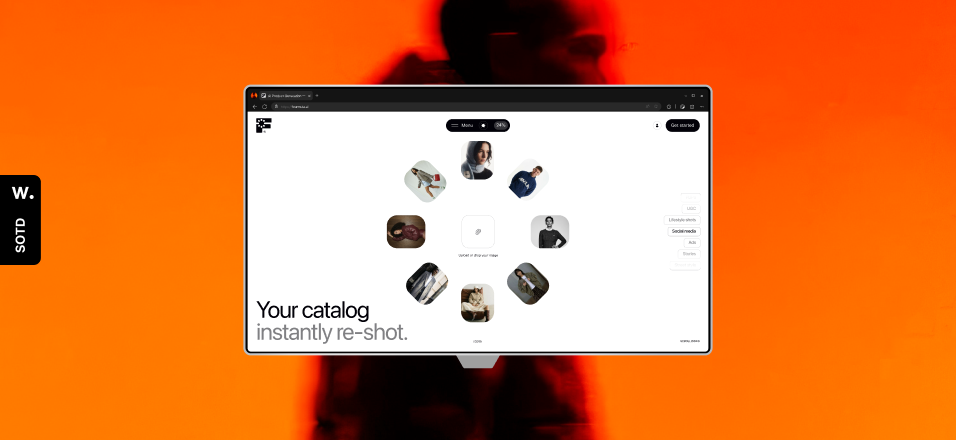
Fourmula.ai, an AI product generation platform for fashion brands, delivering studio-quality photoshoots without the studio. We handled the full product: brand identity, AI generation platform, web design, development, and motion design.
These aren't edge cases. They represent the kind of output that's possible when MVP software development services are applied with genuine product thinking behind them.
What sets Fourmeta apart
There are many development shops. A few things make Fourmeta different for founders specifically:
- Transparent pricing from day one, no surprise invoices, no scope-creep billing.
- A team of 20+ developers, designers, and AI specialists who operate as your product team.
- 10+ industry awards and recognitions, including recognition from Clutch, Awwwards, and Behance, meaning the quality shows up in the work, not just on the pitch.
- Post-launch support as a default. We don't disappear after handoff. We stay with you through iteration, user feedback cycles, and your path to the next funding round.
If you're a founder who knows what you want to test but needs the right team to build it fast and build it right, that's exactly what our MVP development services are designed for.
Bottom line for founders
Product-market fit isn't found. It's iterated toward. And the speed at which you can run that iteration loop is the most important competitive variable you have in the early stages of your startup.
Professional MVP development services give you three things that are genuinely hard to create on your own: structure, speed, and objectivity. Structure in how you validate. Speed in how you build and ship. Objectivity in what you prioritize and what you cut.
The startups that find PMF aren't the ones with the best initial idea. They're the ones that learn the fastest. Build lean. Ship fast. Listen hard. Iterate based on what's real, not what's assumed.
That's what MVP development for startups is designed to enable, and that's exactly why it's become the standard approach for founders who are serious about finding fit before they scale.





.avif)


